

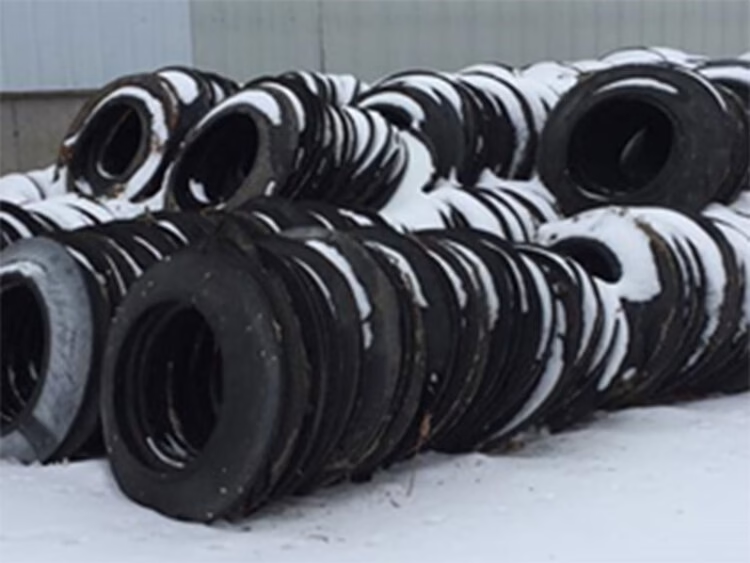
It is Winter in Wisconsin. The temperature is 10° below zero, the wind is howling, and the TMR mixer is waiting. You climb up the icy slope of the bunker to peel back the plastic for the day's feed, and you hit the wall—literally.
The "wall" is a row of whole tires, frozen solid to the plastic. Inside the rim of each tire is a solid 40-pound block of ice. Prying them loose takes a crowbar, a sledgehammer, and a lot of cursing.
This is the reality of winter silage management with whole tires. It isn't just miserable; it’s one of the most common causes of winter injuries on the farm.
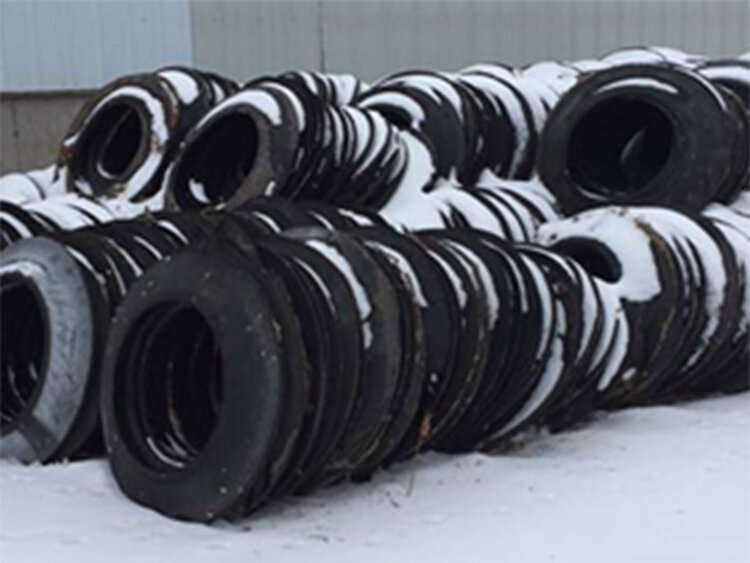
The Ice Block Problem
We talk a lot about how whole tires breed mosquitoes in the summer, but in the Midwest winter, that standing water becomes a different enemy.
- Weight: A whole tire with ice can weigh 50 to 70 lbs. Lifting that dead weight while standing on slick plastic is a recipe for a slipped disc or a nasty fall.
- Plastic Damage: Prying frozen tires loose often tears the plastic underneath. A tear in your cover lets oxygen in, restarting fermentation and causing spoilage right at the feeding face—exactly where you can't afford it.
The Sidewall Advantage: No Water, No Ice
The beauty of silage tire sidewalls in the winter is simple physics: No cavity means no water. Because the sidewall is a flat ring, rain and snow melt run right off. They don't turn into ice blocks.
- Easy Handling: Even at -20°F, a sidewall remains a manageable 25-30 lb ring. You can pick it up with a gloved hand and toss it aside without breaking a sweat.
- Stacking: Because they are flat, they stack neatly on a pallet or an Easy Roll Stand. You aren't building a chaotic mountain of frozen rubber that can roll down and hurt someone.
Safety at the Feedout Face
Winter is the most dangerous time for silage avalanche. As you feed out, the face can freeze and thaw, creating unstable overhangs. By using sidewalls, your team spends less time struggling on top of the pile near the edge. You get in, peel the plastic back, weigh it down, and get down safely. Speed equals safety.
Don't fight the "Frozen Tire Fight" another year. Upgrade to clean, nylon sidewalls and make your winter mornings a little less miserable.